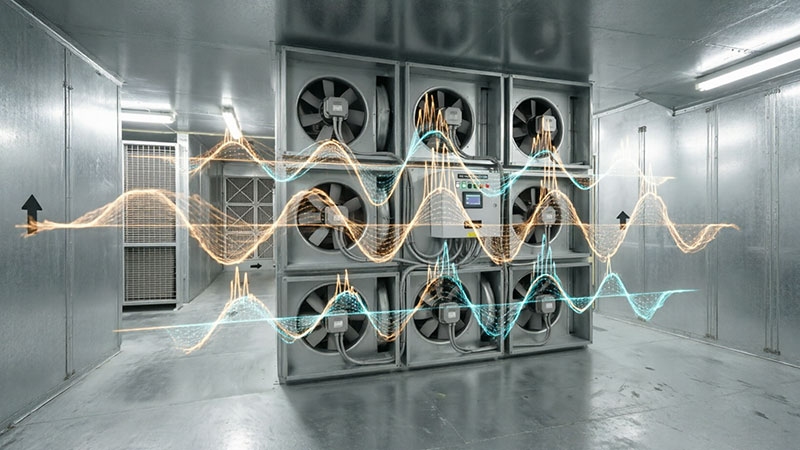
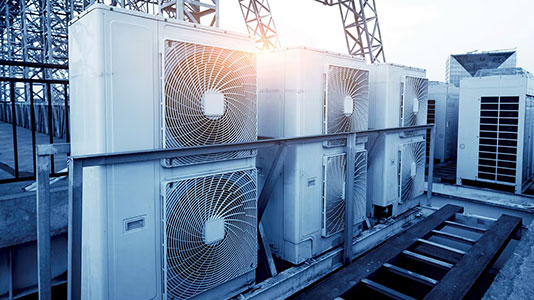
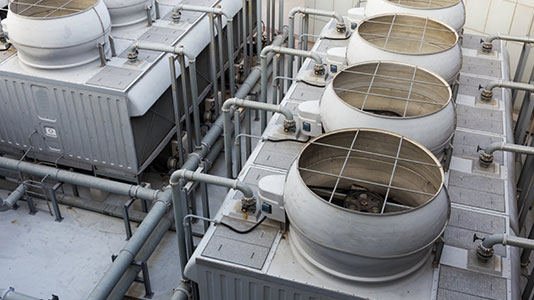
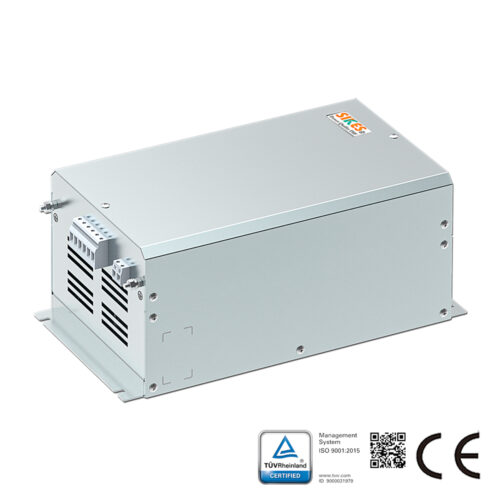
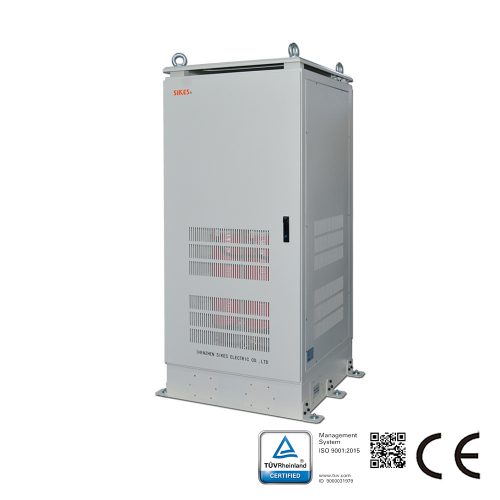
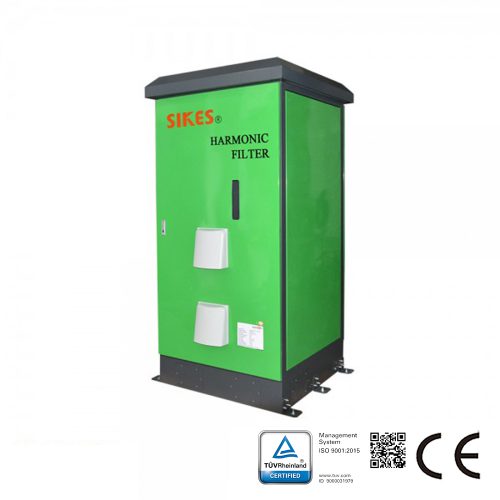
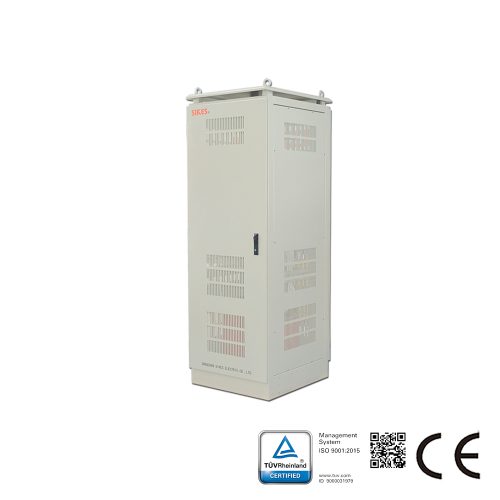
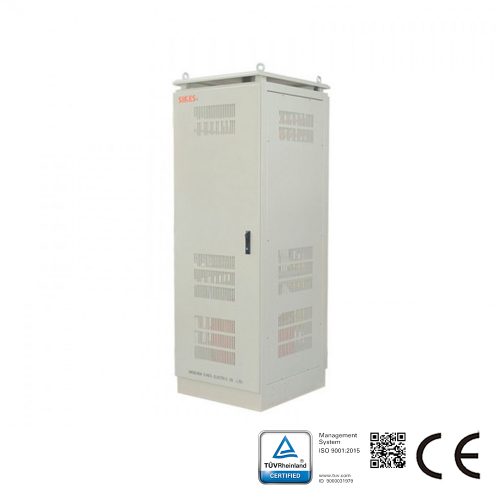
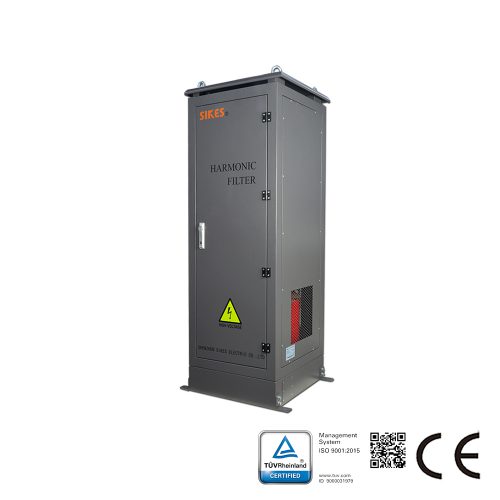
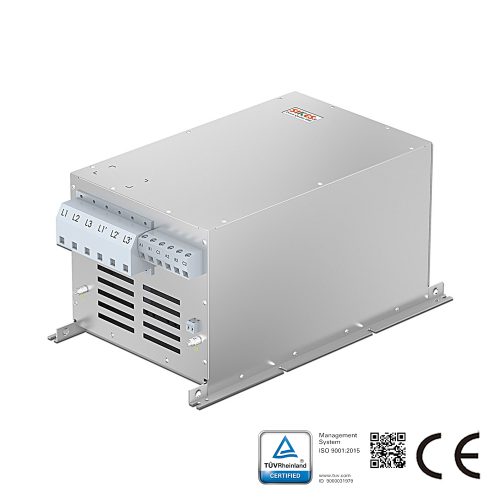
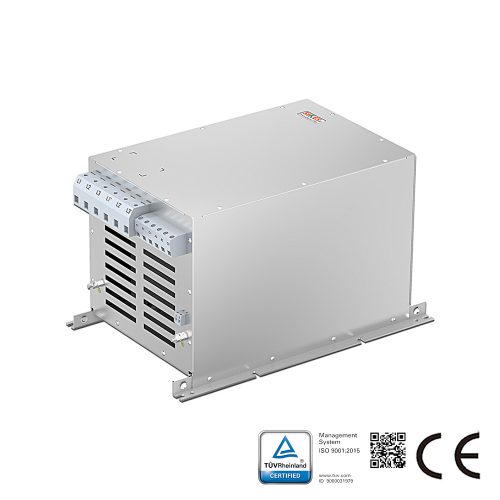
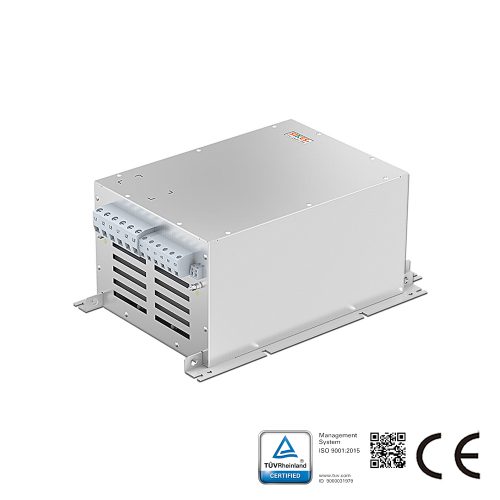
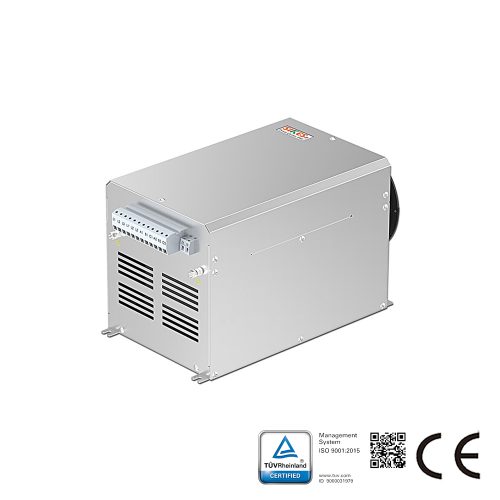
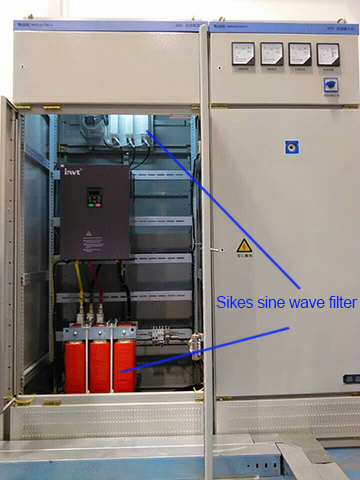
EC fans, with their advantages of high efficiency, low noise, and intelligent speed regulation, have been widely used in data centers, HVAC systems, and industrial cooling. However, due to their use of power electronic drive technology, they generate certain harmonic currents during operation, which may lead to degraded power quality, equipment overheating, reduced power factor, and increased system losses.
With the trend towards large-scale and centralized applications, harmonic mitigation for EC fans has become a crucial aspect of ensuring power supply stability and improving system operating efficiency.
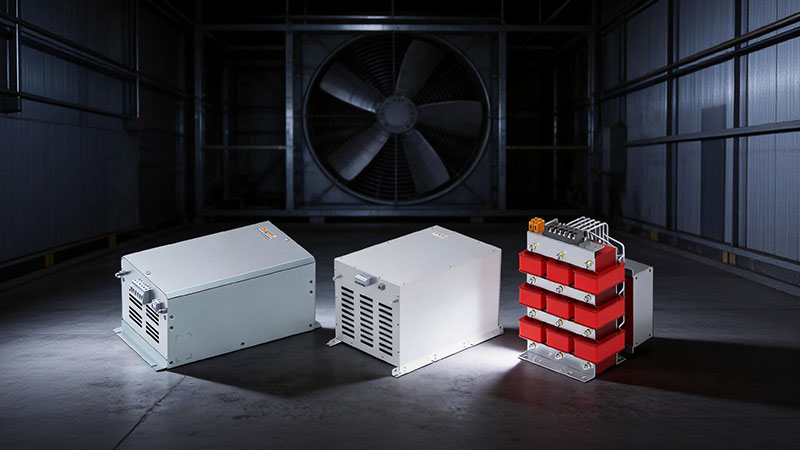
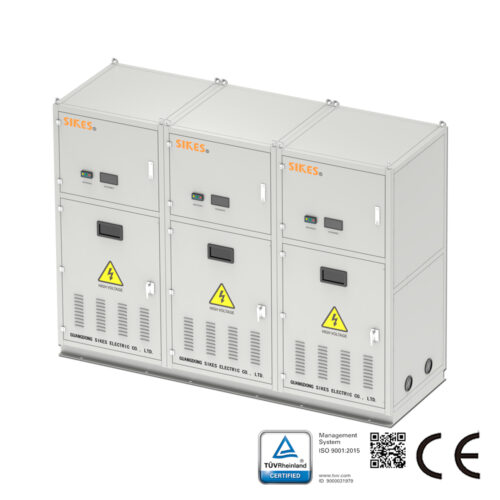
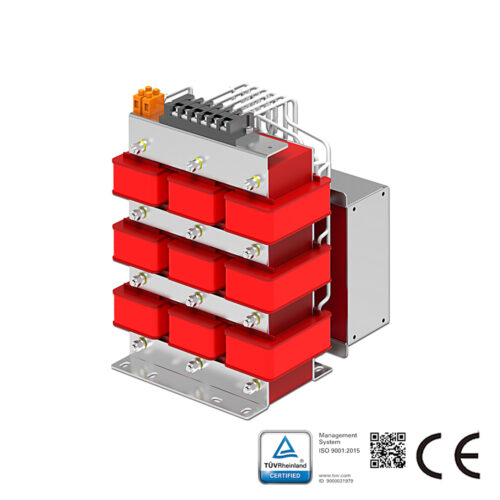
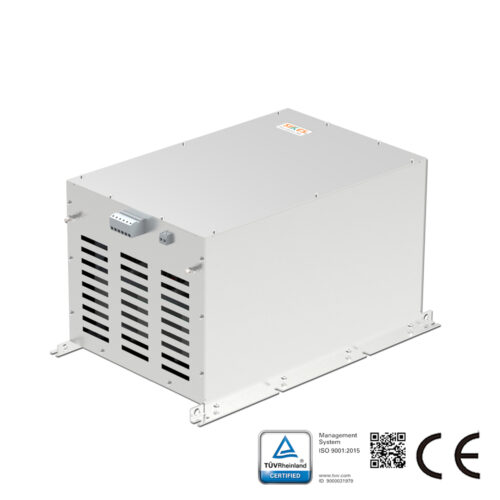
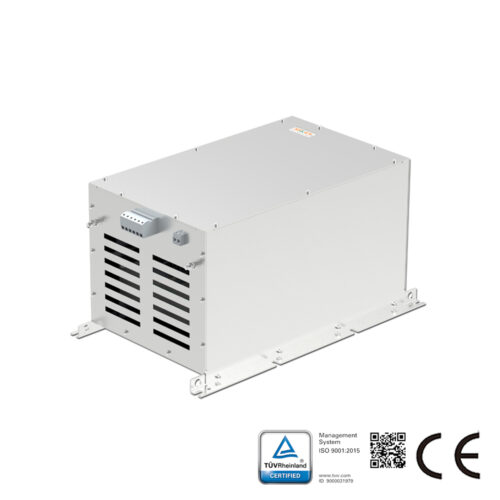
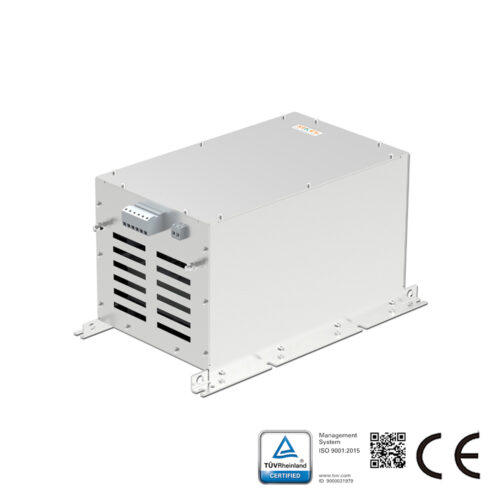
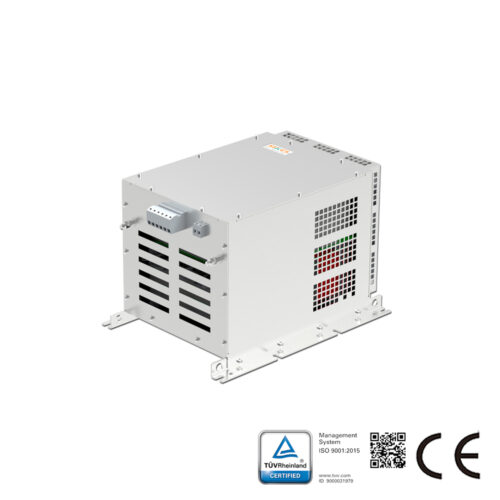
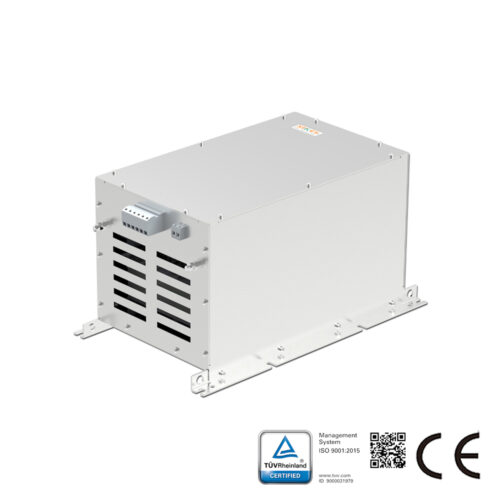
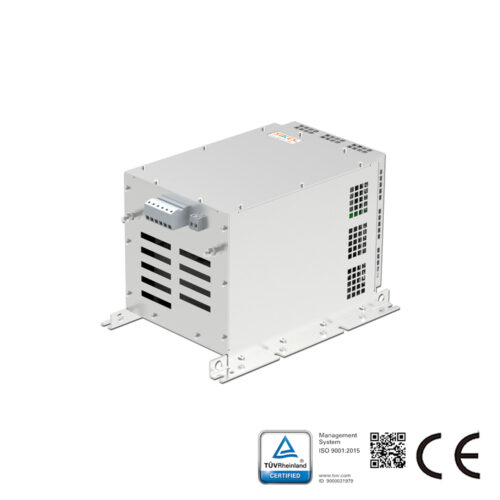
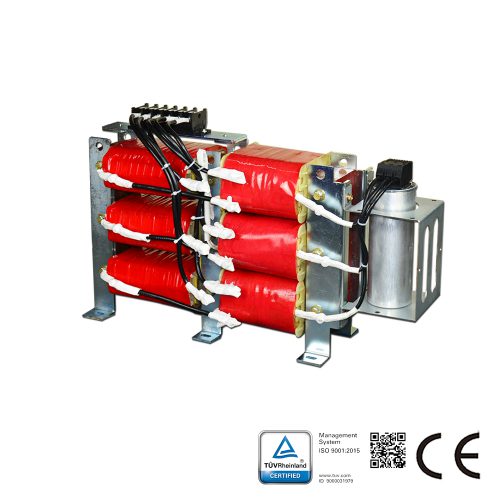
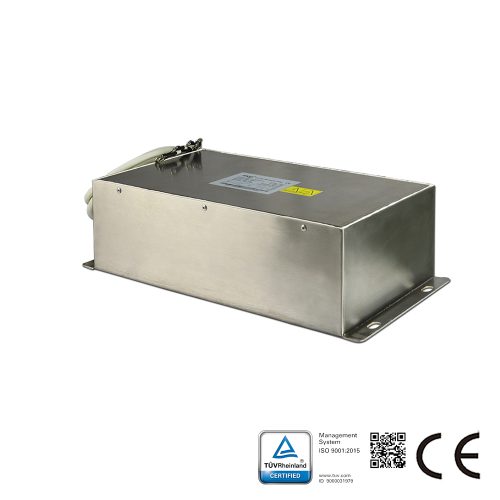
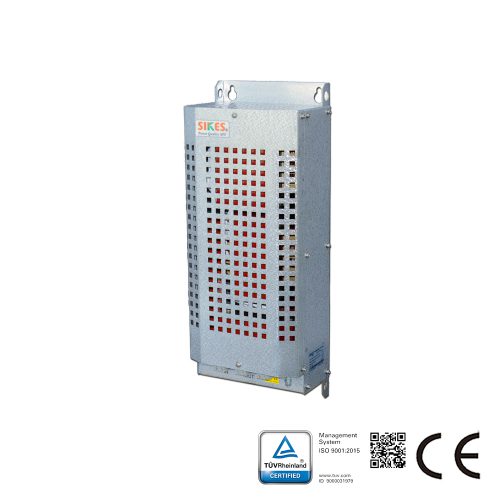
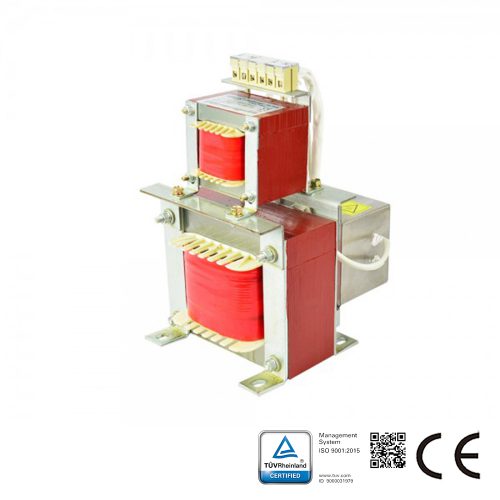
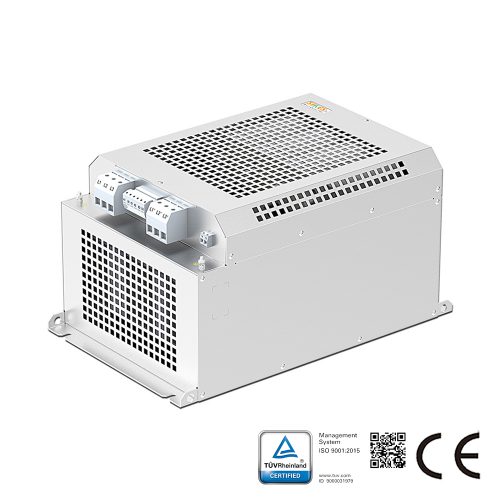
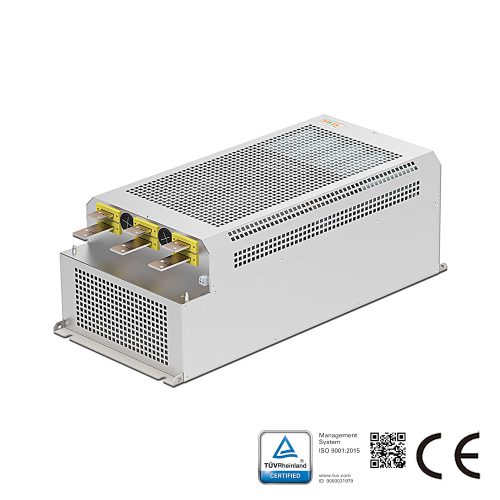
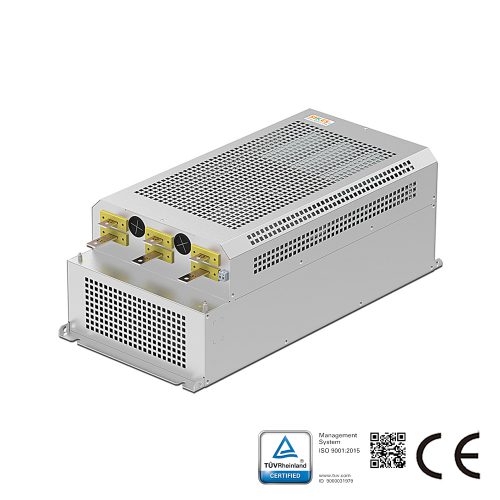
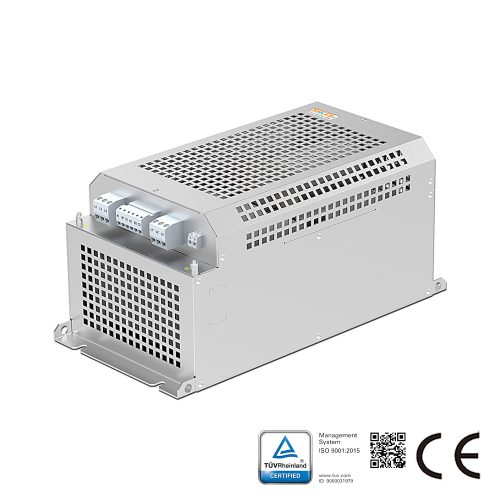
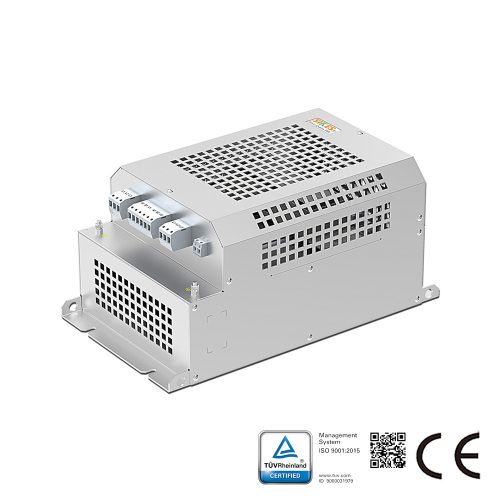
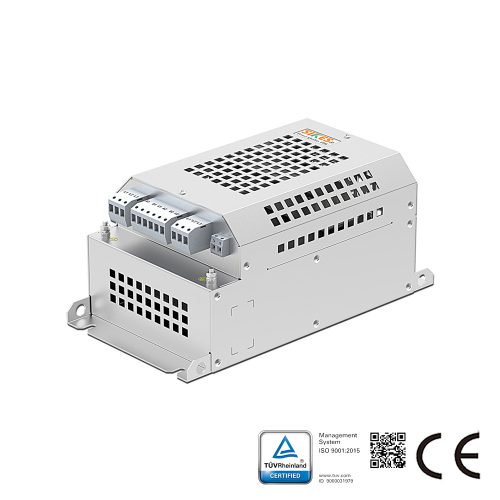
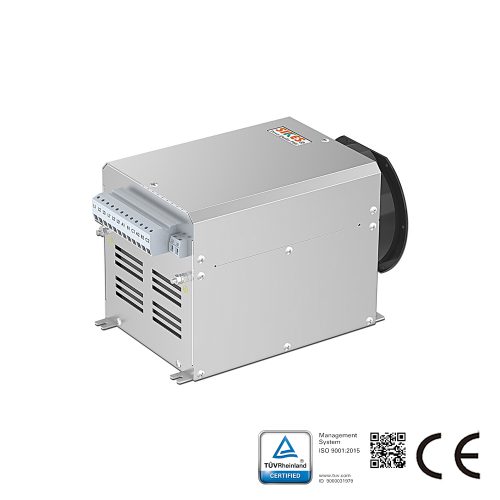
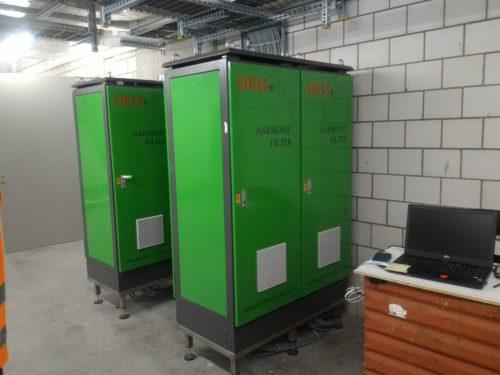
EC fans harmonic filter is a filtering device designed to improve the power quality of EC (Electronically Commutated) fan systems. It is mainly composed of passive components such as inductors, capacitors, and resistors. Through an optimally designed filtering network, it provides a low-impedance path for the characteristic harmonics generated by the power electronic drives of EC fans, effectively reducing harmonic currents, improving system power factor, and minimizing line losses and equipment heating.
The EC fans harmonic filter for EC fans can enhance the stability of the power supply system and meet the power quality requirements of various application scenarios.
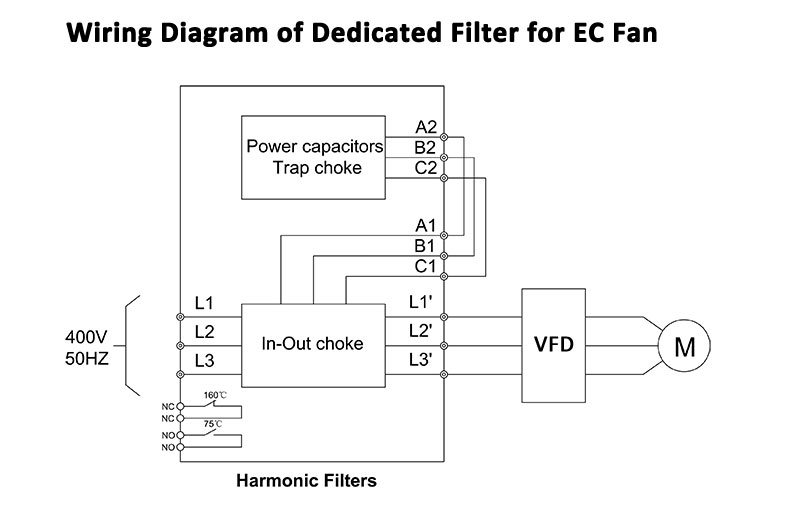
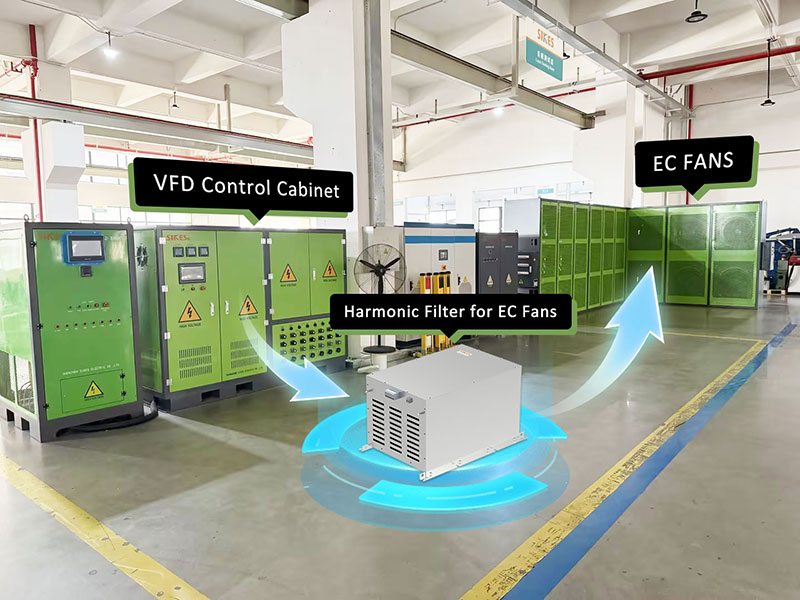
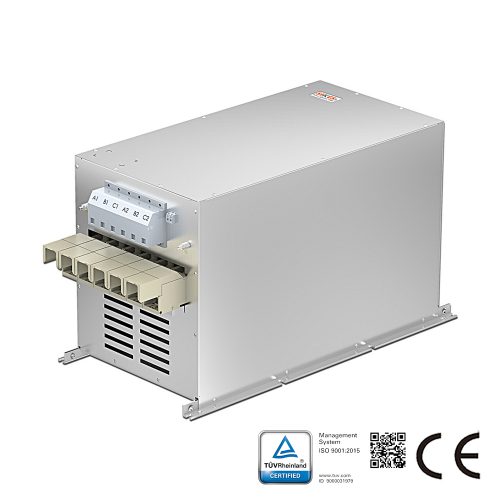
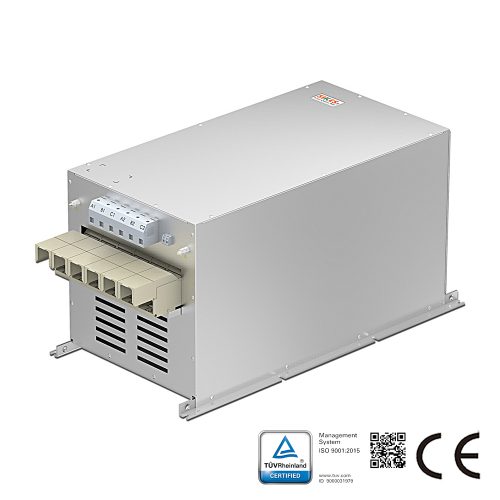
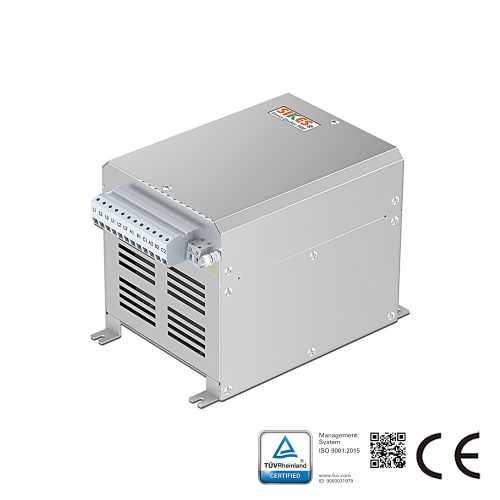
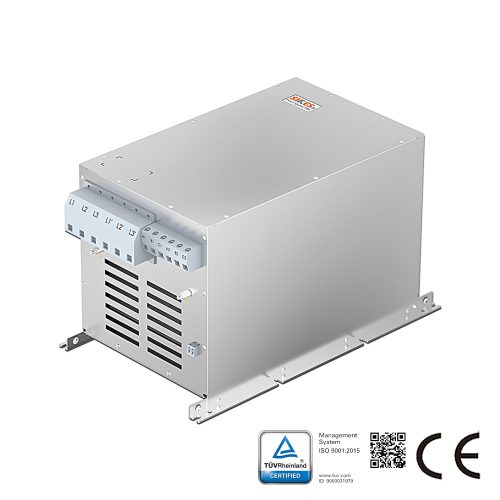
Sikes dedicated filter for EC fans employs LC passive filtering technology, forming a harmonic filtering network through line/load reactors and power capacitors. When the EC fan is in operation, the harmonic currents generated by the internal rectifier and power electronic drive unit enter the filtering system. The filter then provides a low-impedance bypass path for harmonics at specific frequencies, allowing the harmonic currents to circulate within the filter branch and thereby reducing the harmonic components injected into the utility grid.
At the same time, the capacitor components in the filter provide an appropriate amount of reactive power compensation, working in coordination with the reactors to improve the system power factor, reduce line currents, and minimize equipment heating losses. Through optimized filter parameter design, the current waveform can be effectively improved, the THDi (Total Harmonic Current Distortion) can be reduced, and the stability of the power supply system can be enhanced.
This solution consists of passive components, featuring a simple structure and high reliability, with no need for complex control or software commission. It is suitable for EC fan systems with relatively stable load characteristics, and can effectively mitigate the impact of harmonic interference in critical applications such as data centers, building ventilation systems, and industrial cooling equipment.


To verify the filtering performance and system compatibility of EC fans harmonic filters, Sikes has established a dedicated test bench to test and analyse the electrical performance of the filter under various operating conditions.
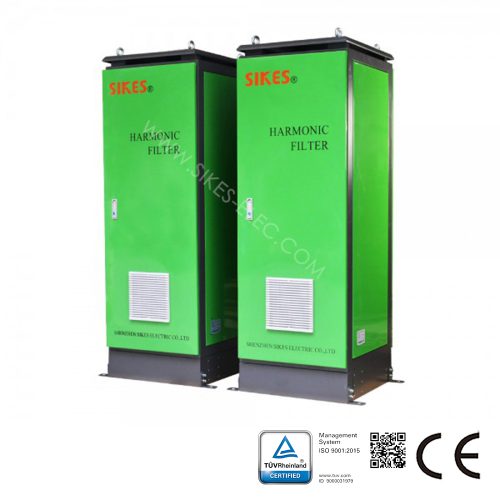
The test system simulates the actual working environment of EC fans and collects key parameters such as current wave forms, harmonic content, power factor, and operating status before and after filtering. These data are used to evaluate the filter’s effectiveness in harmonic suppression, power quality improvement, and system stability enhancement.
Through testing, the filter’s operational performance under different load conditions can be verified, providing data support for product parameter design, performance optimization, and practical engineering applications.
With the increasing adoption of EC fans in data centers, HVAC systems, industrial cooling, and other fields, the harmonic current issues arising from their power-electronic drive characteristics have drawn growing attention. Harmonics can lead to current waveform distortion, reduced power factor, increased equipment heating, and degraded stability of the power supply system.
In response to the operating characteristics of EC fans, Sikes dedicated filter for EC fans employs LC passive filtering technology, forming a filtering network with inductors, capacitors, and other components to suppress the characteristic harmonics generated by the fans and improve overall power quality. This solution features a simple structure and high reliability, making it suitable for EC fan applications with relatively stable loads. It helps mitigate harmonic impacts and enhances the operational stability of the power supply system.